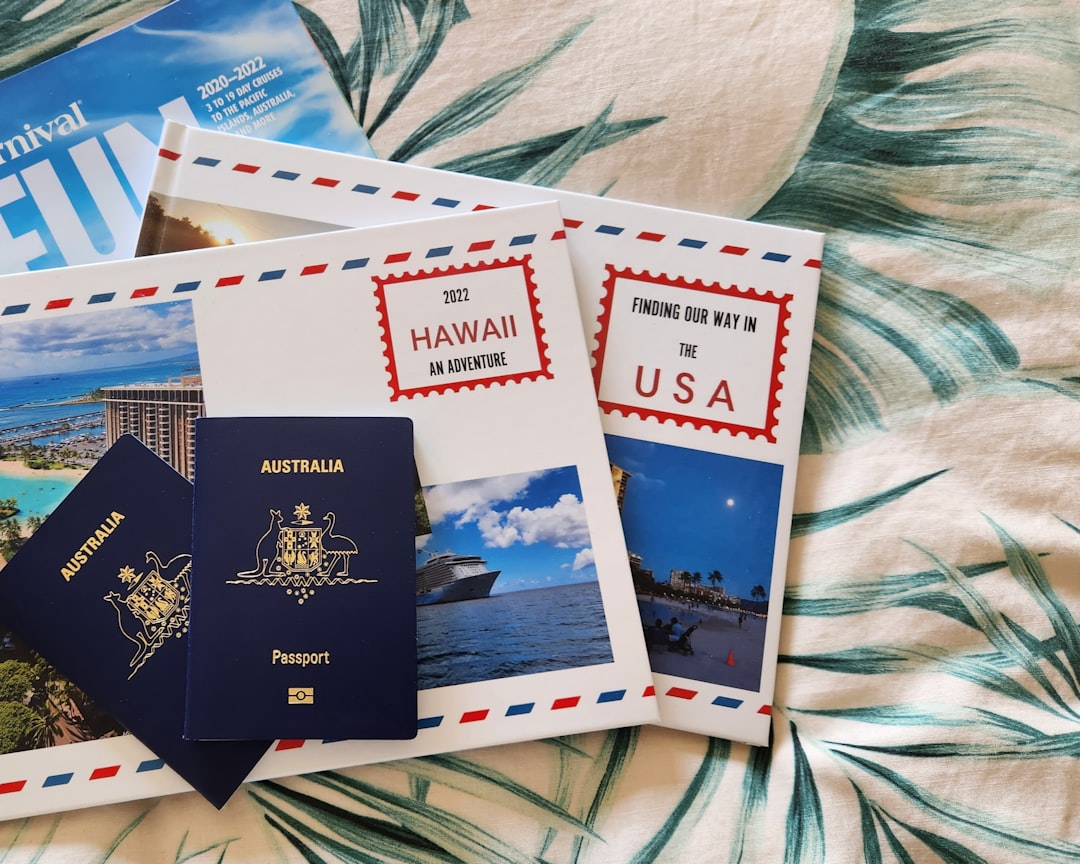
One of the biggest questions partner visa applicants face is: how do I prove my relationship is genuine? Whether you are applying for an onshore partner visa (820/801) or an offshore partner visa (309/100), the Department of Home Affairs requires compelling evidence that your relationship is real, ongoing, and committed. Getting this wrong is one of the most common reasons partner visa applications are refused.
We understand how stressful this can feel. Your relationship is deeply personal, and having to document it for a government department can seem intrusive or overwhelming. The good news is that with the right preparation, you can build a strong, well-organised evidence file that clearly demonstrates the nature of your relationship.
This guide explains exactly what the Department of Home Affairs looks for, what evidence counts, and how to structure your application for the best chance of success in 2026.
What Does “Genuine Relationship” Mean Under Australian Immigration Law?
The Department of Home Affairs assesses partner visa applications under four key aspects of a relationship. All four must be demonstrated — there is no single piece of evidence that is enough on its own.
- Financial aspects — shared finances, joint accounts, shared financial commitments such as a mortgage or lease
- Nature of the household — living together, sharing domestic duties, joint ownership of property or assets
- Social aspects — how you present as a couple to family, friends, and the community; attendance at social events together
- Commitment — knowledge of each other’s personal circumstances, future plans together, length of relationship
Assessors are looking for consistency and depth across all four areas. A strong application addresses each aspect with multiple types of evidence, not just a collection of photos.
What Evidence Should You Include?
There is no fixed list of documents you must provide, but the following types of evidence are commonly accepted and valued by case officers. Aim for a variety rather than relying on just one or two categories.
Financial Evidence
- Joint bank account statements
- Joint names on a lease, mortgage, or utility bills
- Evidence of financial transfers between you (e.g. bank statements showing regular transfers)
- Shared insurance policies or superannuation beneficiary nominations
Household Evidence
- Lease agreements or property titles in both names
- Correspondence addressed to both of you at the same address
- Statutory declarations from people who know you live together
- Bills (electricity, internet, phone) in both names or at a shared address
Social Evidence
- Photographs together at social events, holidays, and family occasions — include captions with dates and names
- Statutory declarations from friends and family who know you as a couple
- Evidence that you are known to each other’s family (e.g. photos, messages, attendance at family events)
- Social media profiles showing your relationship publicly
Commitment Evidence
- Travel history together (boarding passes, hotel bookings, passport stamps)
- Evidence of future plans (joint property purchases, wedding planning, shared savings goals)
- Communication records such as message histories, especially if you have spent time apart
- Cards, letters, or gifts that demonstrate the personal nature of your relationship
What If You Have Spent Time Apart or Have an Unusual Situation?
Many couples face genuine challenges that can complicate their evidence — long-distance relationships, couples who have not yet lived together, or partners from different cultural backgrounds where relationship norms differ. The Department of Home Affairs does take these circumstances into account, but you need to explain them clearly.
If you have been living apart, provide strong communication evidence — message logs, call records, video call histories — that show you have maintained regular, meaningful contact. If your relationship has cultural elements that affect how it is typically documented, include a written explanation and, if possible, a supporting statutory declaration from a community or cultural leader.
The key principle is this: if something about your relationship might look unusual to a case officer, explain it. Do not assume they will reach the correct conclusion without context.
Statutory Declarations: What They Are and Why They Matter
A statutory declaration is a written statement made under oath by someone who knows you and can speak to the nature of your relationship. These are a powerful form of evidence because they come from independent third parties — friends, family members, or colleagues — rather than from you and your partner directly.
A good statutory declaration should:
- Identify how the person knows you and your partner, and for how long
- Describe specific observations of your relationship (not just say “they seem happy together”)
- Reference at least one of the four aspects — financial, household, social, or commitment
- Be signed and witnessed by an authorised witness (e.g. Justice of the Peace, lawyer, or notary)
Three to five strong statutory declarations are generally more valuable than a dozen generic ones. Quality beats quantity.
Frequently Asked Questions
How many photos should I include in a partner visa application?
There is no set number, but aim for 20–40 well-chosen photos that span the length of your relationship and show a variety of contexts — family events, travel, everyday life, and social occasions. Each photo should be captioned with the date, location, and who is in the image. More importantly, your photos should complement your other evidence, not replace it.
Do we need to be living together to apply for a partner visa?
Not necessarily. While cohabitation is helpful evidence, it is not a strict requirement. Many couples apply successfully while living apart due to work, family, or visa status reasons. What matters is that you can demonstrate your relationship is genuine and ongoing through other forms of evidence, particularly communication records and statutory declarations.
What happens if a case officer requests more information?
If the Department of Home Affairs needs more information, they will issue a section 56 request (also known as a “please explain” letter). You will be given a deadline to respond, typically 28 days. It is important to respond thoroughly and on time. If you receive one of these requests, we strongly recommend seeking professional advice before responding.
Can a de facto relationship qualify for a partner visa?
Yes. You do not need to be married to apply for a partner visa. De facto relationships — where you have lived together in a genuine, committed relationship for at least 12 months — may qualify, depending on your circumstances. Some exceptions apply, such as where a Prospective Marriage visa (subclass 300) may be more appropriate. A registered migration agent can help you determine the right pathway for your situation.
How long does a partner visa take to process?
Processing times vary and can range from several months to a few years, depending on whether you are applying onshore or offshore and the complexity of your case. The Department of Home Affairs publishes current processing times on their website, but these are estimates only. Submitting a complete, well-evidenced application from the start is the best way to avoid unnecessary delays.
Next Steps: Get Professional Help With Your Partner Visa
Preparing a partner visa application is one of the most personal — and high-stakes — things you will ever do for your immigration journey. A well-prepared application gives you the best possible chance of a positive outcome, while a poorly organised one can lead to requests for more information, delays, or refusal.
At Ultimate Migration, our OMARA-registered migration agents (MARN 1790054 and 2418658) work with couples every day to build strong, compelling partner visa applications. We can guide you through what evidence to gather, how to structure your application, and how to handle any complications along the way. Book a consultation today or call us on 0478 904 001 to get started.
This article is general information only and does not constitute migration advice. For advice specific to your situation, please contact one of our OMARA-registered migration agents at Ultimate Migration.
Featured image by Nico Smit on Unsplash.
